

The marketing arena is changing quickly, and 2025 looks to be the most change yet — especially for small business. As new technologies evolve and consumer trends shift, old and dated practices are being pushed aside, and small business will have to be adaptive, creative, and crafty to access their audience.Fortunately, the marketing of today doesn’t have to cost a lot of money; it just takes some very smart, targeted approaches that add value, create trust, and drive engagement.
In this post, you’re going to learn about seven of the biggest innovative marketing methods that small businesses can utilize to grow and thrive in 2025. These methods combine current practices with tried-and-true marketing principles, giving small businesses the competitive advantage they need to succeed regardless of their size.
1. Hyper-Personalized Email Marketing
Email marketing is still one of the be stand least-expensive ways to contact customers. But what is changing in 2025 is the level of personalization that recipients now expect. Mass emails that are not relevant to them are ignored or deleted more and more. Today’s consumers are demanding personalized emails that address their interests, behaviors, and needs. Today, with the right email marketing platform, even the smallest small business can segment their email lists by previous purchases or other behaviors, location, time of engagement, or customer type.
Email automation allows businesses to deploy workflows based on users’ actions (ex. opening an email, viewing a product, or abandoning a cart). When we deploy relevant, timely communication we expect an elevated open rate, which also leads to conversion, and building a lasting relationship with the customer. When done properly, personalized email marketing provides a sense of one-on-one relationship, brand to person, which is critical in a flooded digital market.
Read advantage of email marketing to link
2. Short-Form Video Content
Usage of short form video content continues to increase across the digital landscape, mainly driven by short form video platforms such as TikTok, Instagram Reels, and YouTube Shorts. These platforms want to reward creativity, authenticity, and consistency, all things a small business can easily jump into without a large commitment in production time and costs. Videos less than a minute and are entertaining, engaging, or informative typically do better.
For small business, short-form videos are an efficient way to not only humanize the brand, but showcase products, answer customer questions, and share stories and messages.It could be as simple as a how-to video, a quick behind-the-scenes day-in-the-life, or customer testimonials; video creates an emotional connection more rapidly and easily than almost any other medium.
Short-form content is relatable and can be produced without investment in polish, high-quality production, and production budgets. In many cases, well-shot raw videos outperform content that is slick because it is more relatable and authentic. Small businesses can capitalize on creating content that highlights the individuals behind the business, the community, or express a little fun that reflects their values and voice.
3. Local SEO and Voice Search Optimization
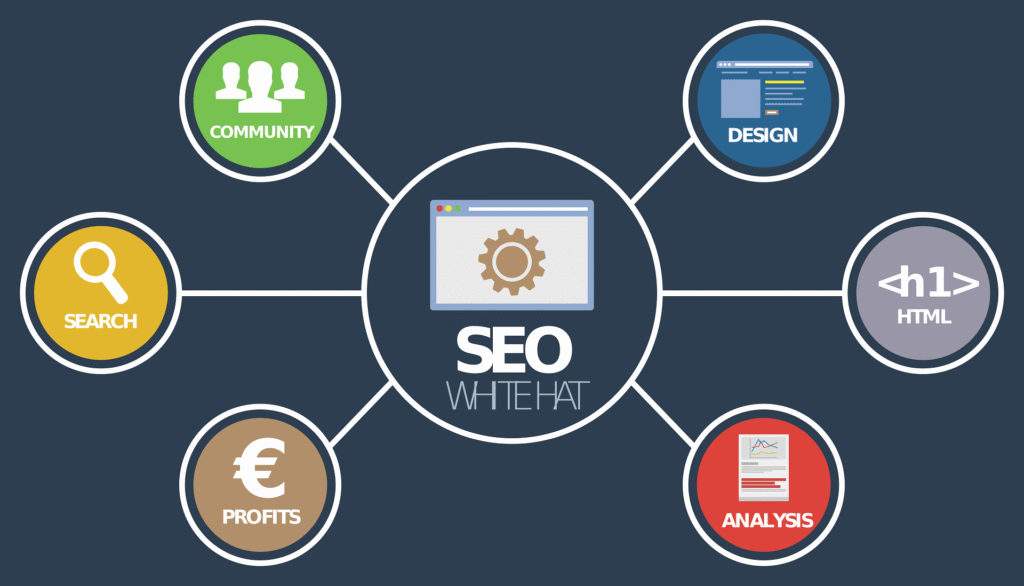
Local search has always mattered to small businesses, and in 2025 it matters more than it ever has because mobile and voice-assisted search continue to grow. Searchers are using their smartphones, smart speakers, and car assistants to find businesses “near me” or to find services accessed in the most time-efficient way possible. If your business is not appearing in search results, you’re likely missing good traffic opportunities and sales.
Optimizing for local SEO means being well-understood, listed correctly, and connected across all platforms, especially Google Business Profile. You should have correct contact information, hours open, photos, and reviews that you certainly weren’t rushing to get. Optimizing for a voice search engine looks at the natural, conversational keywords. Keywords that someone says, not the way they need to type them. Small businesses should focus on optimizing their site for a mobile-first experience, and that their websites are as fast as possible, since these are two of the key factors in determining local SEO rank. In competitive local markets, small SEO strategies can create great variance in visibility, traffic, and foot traffic.
Read what is Local SEO and Voice Search Optimization to link
4. Influencer and Micro-Influencer Collaborations

Influencer marketing has come a long way from the days of brand deals with celebrities. Today, companies are engaging with everyday people with engaged niche audiences. For small businesses, this means collaborating with micro-influencers (those with 1,000 to 100,000 followers) that provide businesses with an economical and impact-ful form of influencer marketing. Micro-influencers have better relationships with their followers and, statistically, achieve higher engagement than well-known personalities.
In 2025, trust and authenticity matter more than reach alone. Micro-influencers are relatable experts and their recommendations feel more authentic. For example, a local restaurant might collaborate with a regional food blogger or a handmade soap business might work with a wellness influencer. In such instances, the company would benefit from tapping into established communities and create brand awareness in an organic manner.
Collaboration can take many forms from product reviews and giveaways to creating joint and or affiliated content. The important thing is finding influencers with an audience that align with your brand’s values, and who generally like your product or service. The outcome, you’ll be in a better position to create deeper relationships with influencers and achieve superior results in the long-run.
5. Community Engagement and Cause Marketing
Small businesses have a unique edge when it comes to creating deep and meaningful connections with their communities. Consumers are increasingly looking for brands that care more, beyond profit. Consumers want to support businesses that give back, stand for something, make a positive impact, whether it’s local or abroad.
Community engagement and cause marketing are not just feel-good ways to get through to people, they can also be a really important way to drive loyalty and brand advocacy. Whether it’s hosting or sponsoring events, providing support for local non-profits, or running campaigns around the awareness of relevant causes that you can work towards in your business’ operations, all these ways can increase brand visibility for your future customers and increase brand reputation with your current customers. All of these things will create word-of-mouth marketing, which is one of the best types of marketing there is.
Customers remember the businesses who did something to be memorable. A neighborhood clean-up, donating a percentage of proceeds to a cause, or grabbing a current topic from your community and letting other community voices and opinions be heard on your platforms are all a type of trust marketing. This will help to establish trust, make your brand the one that they think of while also being satisfied with their purchase.
6.Interactive Social Media Engagement
While social media continues to attract attention, the game has changed. In 2025, it cannot be enough just to post content. The businesses that will thrive will be the ones that build engagement: responding to comments, asking questions, conducting polls, and initiating conversations. Engagement is what will activate the algorithms and build relationships with people.
The brands that fans are loving the most are those that treat social media like two-way communication. Listening to followers, responding to questions, and soliciting feedback from the community are all good steps. While content can be entirely passive, if you are creating endless pieces of information but soliciting audience engagement, then you are actively building personal connections with followers: by establishing interactivity with live videos, Q&A, any user-generated content campaign, or in interactive ways using Instagram Stories like quizzes and polls.
Small businesses often have the leg up on engagement because they are more accessible as a person. Small businesses should build a platform that demonstrates consistency, availability, and authenticity that will allow you to develop your own community which in turn creates loyal followers that promote your brand, share your content, and have a direct impact on your growth.
7. Paid Digital Advertising with Smart Targeting

The organic reach has certainly declined on platforms like Facebook and Instagram, but advertising still has value. It will certainly generate your brand visibility, traffic, and conversions – if budgets are utilized wisely. The most considerable difference in 2025 is the precision with you are targeting, keep in mind we are in 2025 – We have AI powered ad platforms that automate creative aspects, target options, campaign optimization, and allow near real-time reporting and ad adjustments.
Consumers and brands engage daily through advertising – and small businesses are in a much better position today in targeting ads based on user behavior and interests, location, stage in the purchase process (intent), and much more. Gone are the days that small businesses had to waste advertising dollars on ads that went to a disinterested audience. You can retarget visitors that have come to your site, upsell customers to purchase instead of browsing, test new markets, and actually measure results.
Today with Google Ads, Facebook Ads, Tik Tok Ads and other ad channels, a small budget can be used flexibly. Digital advertising is successful when you successfully test and learn. Start small, review the performance data, and re-adjust your creative, audience, and time until you find the combination that resonates with your target audience. If you are able to find a winning combination and do it well, you could be able to spend even a small budget to grow substantially.
Conclusion
Marketing a small business in 2025 means working in a rapidly changing environment, but there are also amazing opportunities today to be captured by those willing to adapt and take risks. The strategies that work best are sometimes neither the latest or the flashiest, but represent simply those that work best for your audience, embody your brands values, and consistency.
By prioritizing personalized email strategies, trusted short form videos, solid SEO strategies, working with meaningful influencers, community based strategies, hands-on social media, and pay-per-click ads, this will give small businesses the leverage they need to succeed.
You don’t need to try everything at once. Just focus on one or two strategies that make the most sense for you, your goals and your audience. Pilot them, adjust them, and grow what’s working. With time, patience and persistence, these will help you create a brand that not only persists, but grows – no matter what happens down the road.
Read other topics of business to link